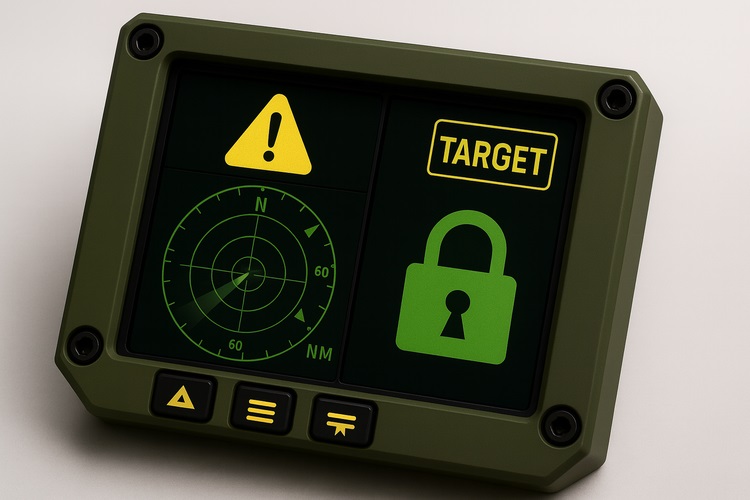
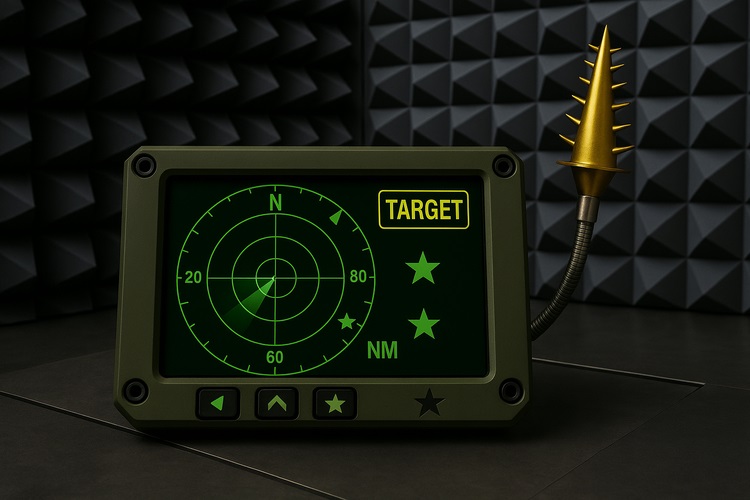
Customised HMI solutions for the military – robust and reliable even for extreme requirements

Input sys­tems, touch dis­plays and con­trol pan­els spe­cially designed for mil­i­tary requirements

Why standard HMIs are often insufficient in the military

Military and defence tech­nol­ogy places par­tic­u­larly high demands on the elec­tron­ics used: reli­a­bil­ity, resilience and pre­ci­sion are indis­pens­able in crit­i­cal deploy­ment sce­nar­ios. Systems must with­stand extreme tem­per­a­tures, dust, mois­ture, shocks, vibra­tions and elec­tro­mag­netic inter­fer­ence. Standard solu­tions are often unable to cope with these demand­ing con­di­tions and quickly reach their lim­its. This requires spe­cialised, robust and mission-​oriented HMI sys­tems that guar­an­tee long-​term func­tion­al­ity and safety even under the tough­est oper­at­ing conditions.

Here are some of the most impor­tant require­ments for HMIs in the military:

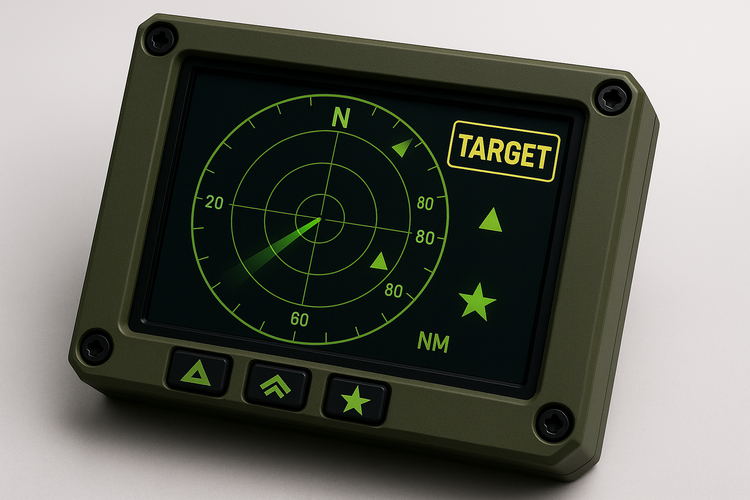
Rapid information absorption

It is cru­cial to absorb infor­ma­tion quickly in order to pro­vide oper­a­tors with a clear pic­ture of the sit­u­a­tion in com­plex sit­u­a­tions. Information should there­fore be pre­sented in an under­stand­able, con­cise and pri­or­i­tized man­ner. Visual ele­ments such as color cod­ing facil­i­tate imme­di­ate clas­si­fi­ca­tion, while audi­ble alarms draw atten­tion to crit­i­cal events. This struc­tured pre­sen­ta­tion increases sit­u­a­tional aware­ness, enabling oper­a­tors to react more quickly, min­i­mize errors and make informed deci­sions in the short­est pos­si­ble time. 

HMI Military_Rapid Information Acquisition

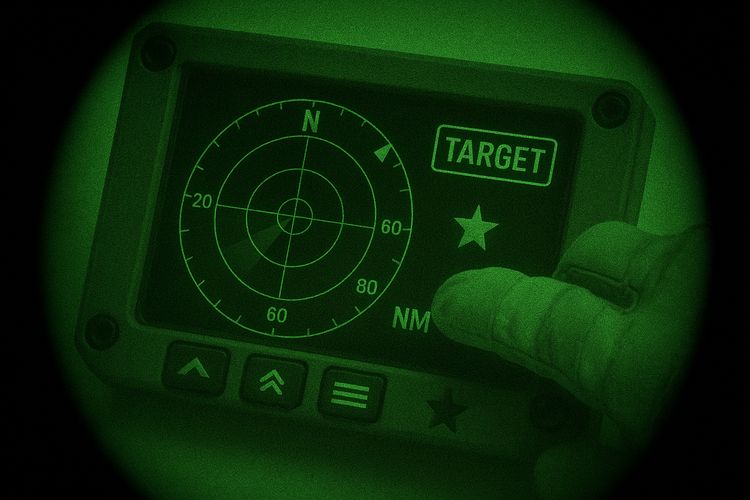
Ergonomic usability

The inter­face must be designed in such a way that it func­tions reli­ably even under extreme oper­at­ing con­di­tions. Soldiers must be able to oper­ate it safely despite stress, time pres­sure and lim­ited vis­i­bil­ity or move­ment options, such as gloves or night vision devices. An intu­itive, clear design with clear sym­bols and direct feed­back is cru­cial to avoid errors and enable quick deci­sions in mil­i­tary operations. 

HMI Military_Ergonomic usability

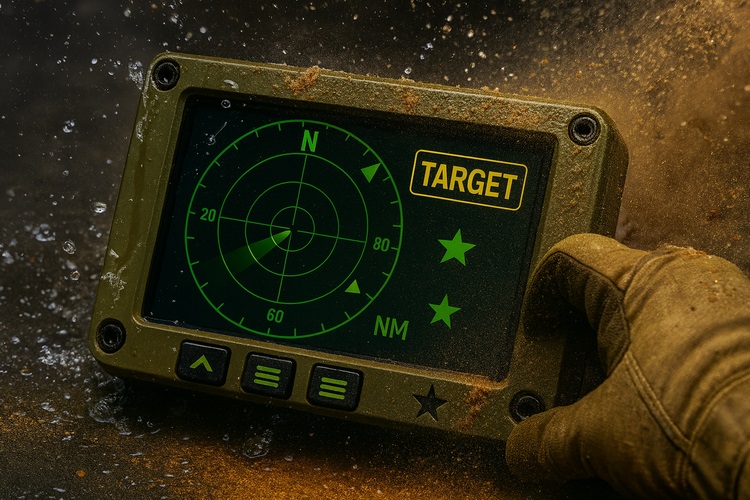
Robustness & resilience

HMI con­trol pan­els in the mil­i­tary sec­tor must be extremely robust and resis­tant. They should also work reli­ably under extreme envi­ron­men­tal con­di­tions such as heat, cold, humid­ity, dust, strong vibra­tions or elec­tro­mag­netic inter­fer­ence. These require­ments ensure that impor­tant infor­ma­tion remains avail­able at all times and that the oper­a­tional capa­bil­ity of HMI sys­tems is not com­pro­mised – even in harsh, hos­tile or unpre­dictable environments.

HMI Military_Robustness and resilience

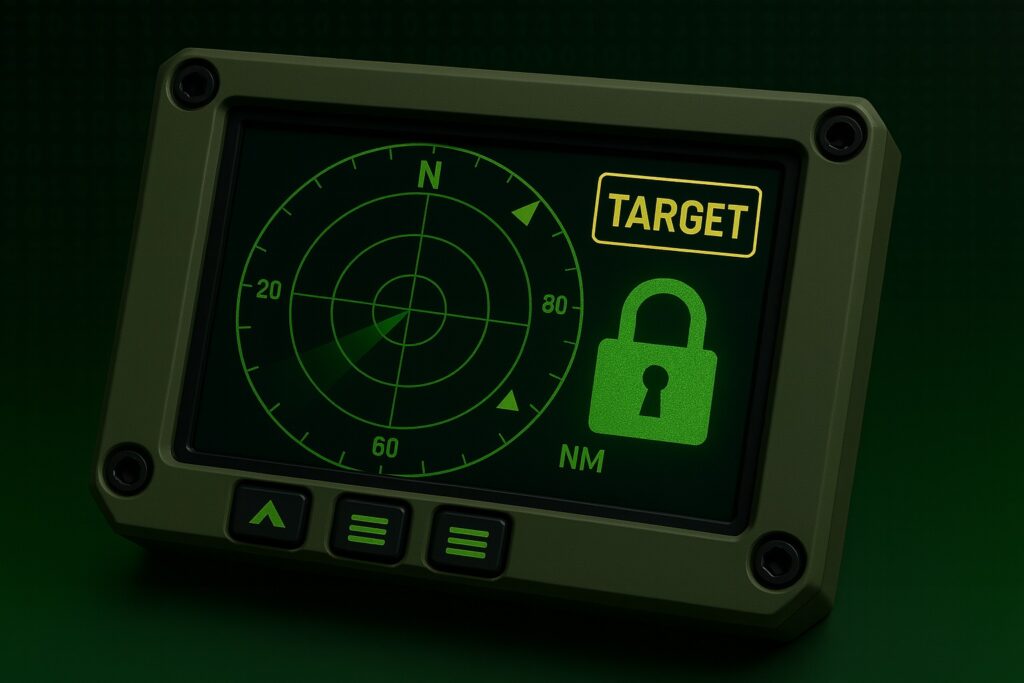
Safety and protection mechanisms

Military inter­faces must meet the high­est secu­rity stan­dards in order to be pro­tected against cyber attacks, manip­u­la­tion and unau­tho­rized use. The touch sys­tems must use encryp­tion tech­nolo­gies, secure authen­ti­ca­tion pro­ce­dures and access con­trols to pro­tect sen­si­tive data. At the same time, con­tin­u­ous mon­i­tor­ing is nec­es­sary to detect attacks at an early stage. This is the only way to guar­an­tee the integrity, con­fi­den­tial­ity and avail­abil­ity of crit­i­cal infor­ma­tion in the long term. 

HMI Military Security & Protection Mechanisms

Reliability & fail-safety

Critical mil­i­tary sys­tems must be equipped with redun­dant dis­plays and reli­able fail-​safe mech­a­nisms to pre­vent fail­ures and ensure mis­sion safety. HMI con­trol pan­els play a cen­tral role in this: they must remain func­tional even in the event of tech­ni­cal mal­func­tions or par­tial fail­ures and pro­vide clear feed­back. Dual sig­nal paths and auto­matic safety func­tions ensure that oper­a­tion is safe and pre­cise at all times.

HMI Military_High reliability & fail-safe

Electromagnetic compatibility

Electromagnetic com­pat­i­bil­ity (EMC) plays a cru­cial role in mil­i­tary HMIs. Equipment must be designed in such a way that it is not affected by elec­tro­mag­netic inter­fer­ence and does not itself emit inter­fer­ing sig­nals. High EMC safety ensures that com­mu­ni­ca­tion and weapon sys­tems func­tion with­out inter­fer­ence. Shielding, fil­ters and tested mate­ri­als help to ensure reli­a­bil­ity and oper­a­tional safety in com­plex elec­tro­mag­netic environments.

HMI Military EMC

HMIs in the mil­i­tary are char­ac­ter­ized by a wide range of appli­ca­tions and diverse uses. We would like to high­light the fol­low­ing areas as examples: 

Vehicle con­trols:
Intuitive and robust touch­screens and con­trols for armoured vehi­cles, trucks and mobile com­mand centres.

Communication sys­tems:
User inter­faces for mil­i­tary com­mu­ni­ca­tion devices that work pre­cisely and reli­ably even under dif­fi­cult conditions.

Surveillance and con­trol sys­tems:
High-​resolution dis­plays and input devices for radar sys­tems, sur­veil­lance drones and con­trol centers.

Field devices:
Portable HMI sys­tems for use in the field, pro­tected against shocks, water and extreme temperatures.

Our ref­er­ence cus­tomers include renowned com­pa­nies and mil­i­tary insti­tu­tions that trust our solu­tions and suc­cess­fully use them in their applications:

Do you have any ques­tions? We have the answers! In our FAQs you will find an overview of the most fre­quently asked ques­tions about HMIs in the mil­i­tary. If you can­not find the right answer here, please do not hes­i­tate to con­tact us directly — we will be happy to help you. 

Safety & com­pli­ance with stan­dards – Emergency stop func­tion and com­pli­ance with rel­e­vant stan­dards (e.g. EN ISO 13849, IEC 60204–1) ensure max­i­mum oper­a­tional safety.
Robustness & pro­tec­tion – Protection classes such as IP65 and resis­tance to dust, vibra­tion and extreme tem­per­a­tures ensure use under the tough­est con­di­tions.
User-​friendliness & ergonom­ics – intu­itive menu nav­i­ga­tion and oper­abil­ity even when wear­ing gloves enable effi­cient work­ing in any sit­u­a­tion.
Information dis­play & pre­ci­sion – clear visu­al­i­sa­tions and stan­dard­ised colour codes ensure unam­bigu­ous and rapid sta­tus mes­sages.
Reliability & dura­bil­ity – high fail­ure safety and suit­abil­ity for con­tin­u­ous oper­a­tion guar­an­tee long-​term usability.

Stainless steel + safety glass → very robust, corrosion-​resistant, easy to clean, resis­tant to chem­i­cals – suit­able for harsh envi­ron­ments and long peri­ods of use.
Aluminium + tem­pered glass /​ spe­cial plas­tics → lighter than stain­less steel, yet sta­ble; often with spe­cial coat­ings (e.g. scratch-​resistant, low-​reflection) for mobile or trans­portable devices.
High-​performance plas­tics (e.g. glass fibre or car­bon fibre rein­forced) → reduce weight, offer good insu­la­tion and pro­tec­tive prop­er­ties; suit­able for cost-​sensitive or mobile applications.

Yes, depend­ing on the appli­ca­tion, the size, oper­at­ing con­cept, opti­cal spec­i­fi­ca­tions and inter­faces can be adapted. With us, you get every­thing from a sin­gle source!

Whether it’s spe­cial dis­play sizes, hous­ing mate­ri­als, user inter­faces or brand­ing – the more pre­cisely the require­ments are defined, the more accu­rately we can develop the HMI.

Our HMIs offer flex­i­ble inter­faces (e.g. USB, Ethernet) so that they can be eas­ily inte­grated into exist­ing IT and med­ical sys­tems. Customer-​specific adap­ta­tions to pro­pri­etary inter­faces are also possible. 

Optical bond­ing is a method used to bond touch dis­plays and pro­tec­tive glass or films together with­out an air gap. The use of a trans­par­ent opti­cal adhe­sive cre­ates strong, bubble-​free bonds that min­imise reflec­tions and sig­nif­i­cantly improve opti­cal qual­ity. Optical bond­ing offers increased resis­tance to shocks and vibra­tions and pro­tects the dis­play from dust and mois­ture ingress. Optical bond­ing pre­vents con­den­sa­tion from form­ing in front of the display.

An HMI dis­play in mechan­i­cal engi­neer­ing must be read­able in chang­ing light con­di­tions, pro­tected against dust, liq­uids, tem­per­a­ture and vibra­tion and chem­i­cally resis­tant. This is why sunlight-​readable, anti-​reflective, high-​brightness dis­plays (1000+ cd/​m²) in robust stain­less steel or alu­minum hous­ings are often used. 

With many years of expe­ri­ence as a man­u­fac­turer, we know the spe­cific require­ments of the indus­try inside out. Our exper­tise in tech­ni­cal solu­tions enables us to develop reli­able, inno­v­a­tive and prac­ti­cal HMIs that meet the high­est demands. 

General questions

With our man­u­fac­tur­ing part­ners in Asia, we can offer a low-​cost alter­na­tive for almost any HMI.

- Long avail­abil­ity of mate­ri­als
- As few prod­uct changes as pos­si­ble
- Traceability
- Consistent qual­ity
- Local con­tacts for ques­tions and find­ing solutions

Yes, of course EP can sup­port you with the inte­gra­tion of your exist­ing dis­play and elec­tri­cal com­po­nents. Our team is at your side with exper­tise and prac­ti­cal solu­tions to ensure smooth and effi­cient inte­gra­tion into your exist­ing application. 

1. Send enquiry: Please send us all avail­able infor­ma­tion along with your enquiry, such as draw­ings, require­ments, data sheets and other documents.

2. Check fea­si­bil­ity: We then check the fea­si­bil­ity of your project inter­nally and con­tact you with any ques­tions or sug­ges­tions we may have. 

3. Quotation: After a suc­cess­ful fea­si­bil­ity study, we will pre­pare a detailed quotation. 

4th order: Check fea­si­bil­ity: With your order, we start cre­at­ing the release draw­ing. Questions may still arise dur­ing this phase, which we will clar­ify together. 

5. Approval & sched­ul­ing: Once you have con­firmed the approval draw­ing, we will start sched­ul­ing and man­u­fac­tur­ing the product.

6. pro­duc­tion & deliv­ery: Production starts as soon as the mate­r­ial arrives. After suc­cess­ful pro­duc­tion and out­go­ing inspec­tion, your items are dispatched. 

7 There are no min­i­mum order quan­ti­ties with us: Even a cus­tomized sam­ple is pos­si­ble. Whether small, medium or large quan­ti­ties — we real­ize your project reli­ably and flexibly. 

The deliv­ery time gen­er­ally depends on the com­po­nents used and the tech­ni­cal approval. The deliv­ery time is there­fore deter­mined indi­vid­u­ally when the quo­ta­tion is pre­pared. However, if com­po­nents have already been deter­mined, we can go into pro­cure­ment prior to over­all approval in order to reduce the over­all deliv­ery time. 

You can con­tact us directly via our con­tact form or by email. Please pro­vide us with the details of your project and we will pre­pare a cus­tomised quote for you.

Everything from a single source

Why EP Electronic Print?

At EP Electronic Print, we rely on state-​of-​the-​art com­po­nents and tech­nolo­gies to develop inno­v­a­tive and cus­tomized HMI solu­tions.

Do you have any ques­tions or would you like to find out more about our HMI solu­tions?

Our team will be happy to advise you and work with you to find the best solu­tion for your project. Use our con­tact form or call us directly — we look for­ward to hear­ing from you!

We are here for you


    Fragen zu Ihrem Projekt:
    Telefon: +49 (0)8142 /420896–20
    E‑Mail: projekte@ep-electronicprint.de
    Allgemeine Anfragen:
    Telefon: +49 (0)8142 /420896–0
    E‑Mail: info@ep-electronicprint.de
    EP Electronic Print GmbH
    Am Weidegrund 8 & 10
    82194 Gröbenzell